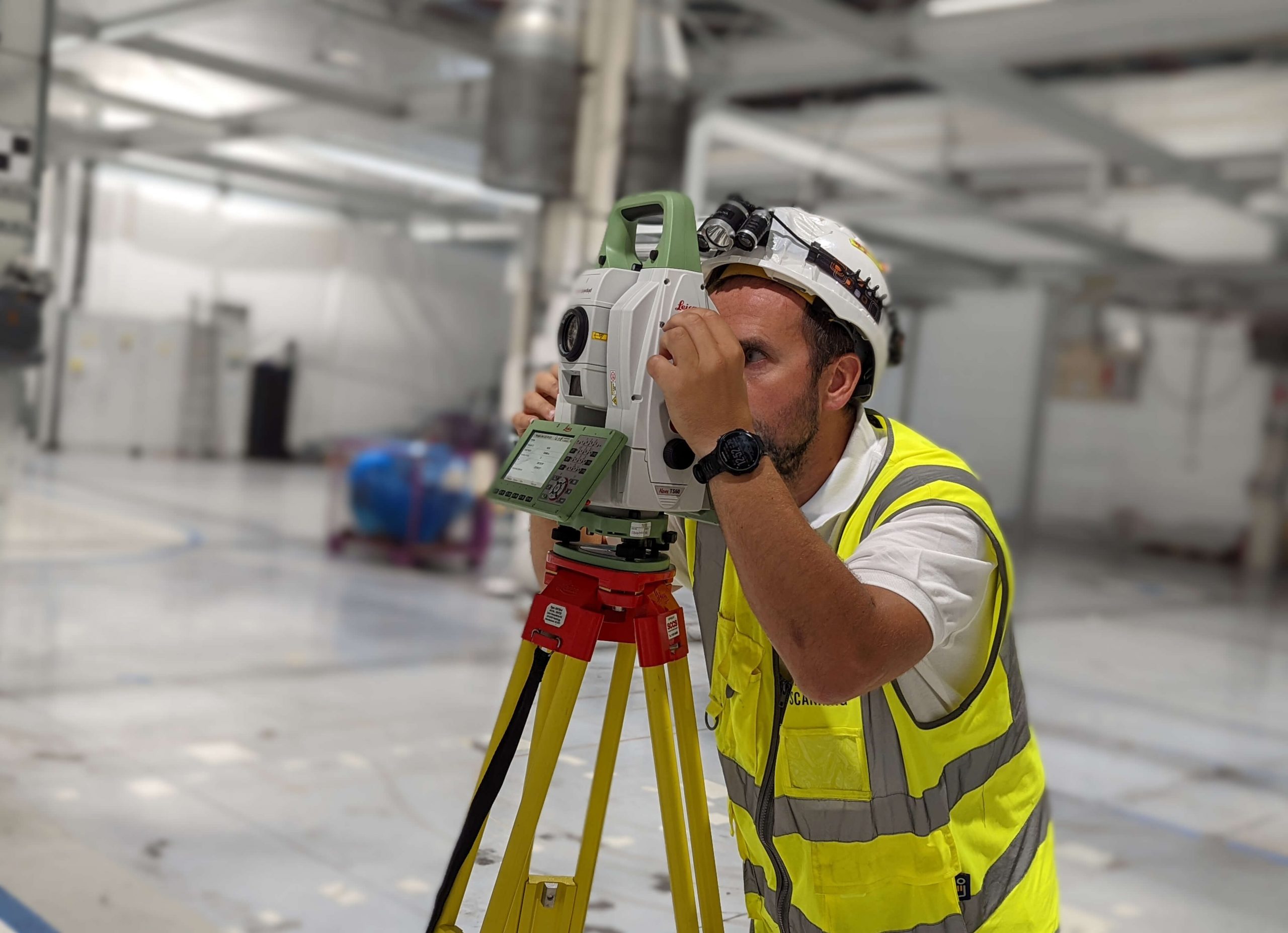






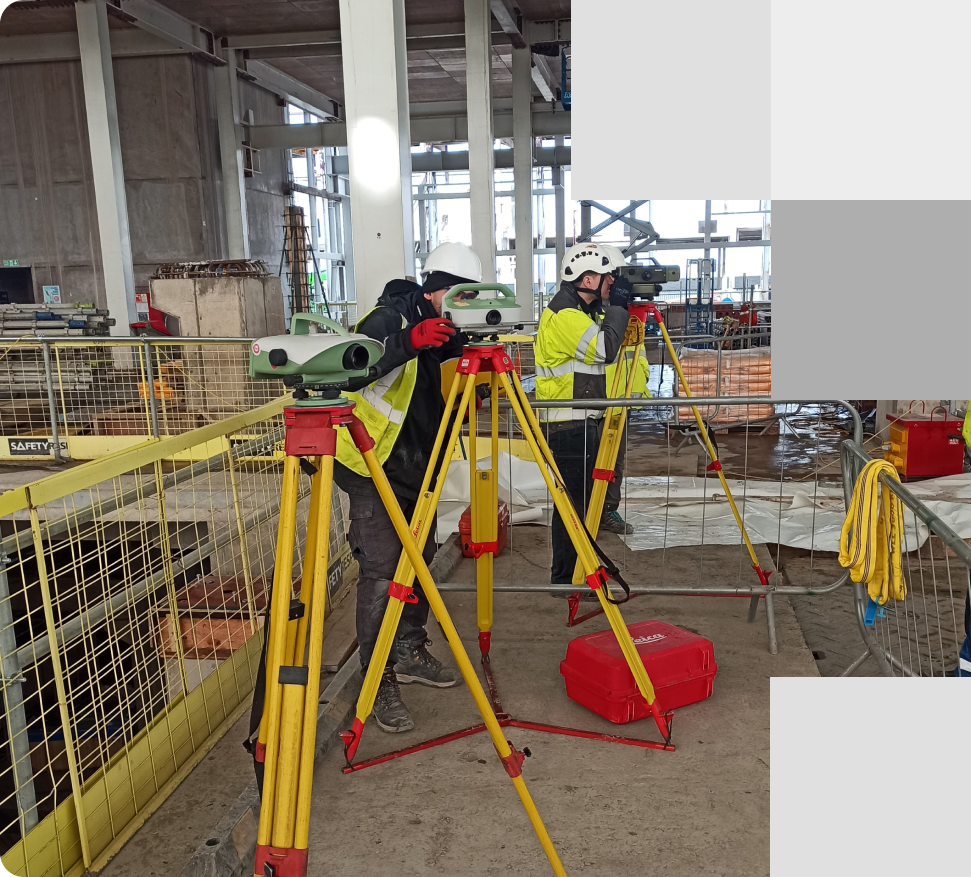
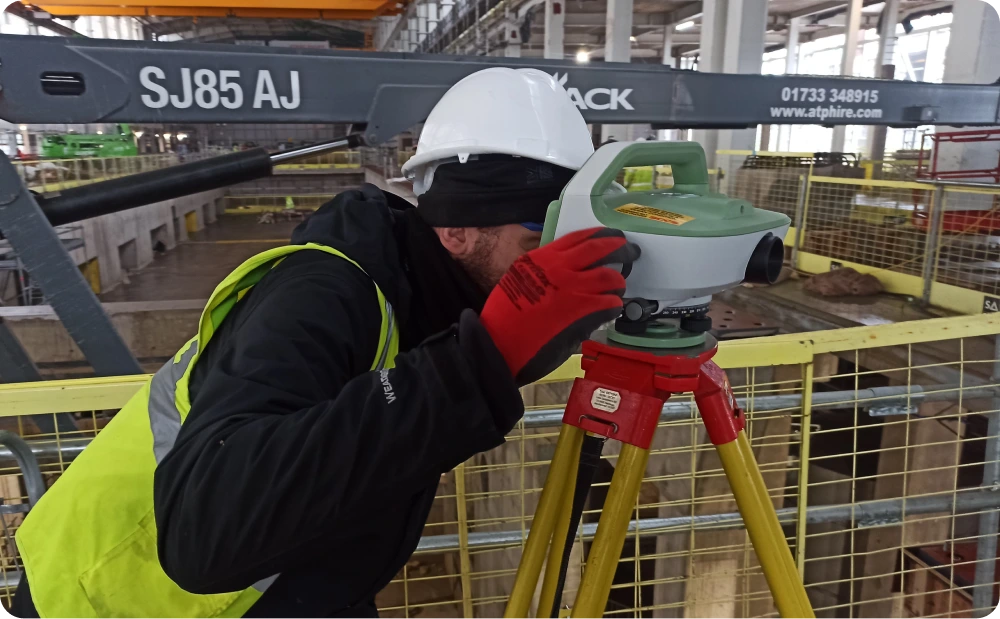
Our survey monitoring provides crucial data on alterations, ensuring that any changes to the structure are promptly addressed to maintain safety and stability throughout the project
About our monitoring services
Advanced monitoring surveys for accurate detection of movement
A survey monitoring process is essential for detecting and tracking structural movement or a building movement over time. At Red Laser, our specialists use advanced 3D laser scanning technology to identify even the slightest changes in structure and quantify any deflection or movement. This is particularly important in areas where nearby groundworks, such as excavations or drilling, may cause shifts in building movement or where natural ground movement and settlement could impact structural integrity. Our survey monitoring provides crucial data on alterations, ensuring that any changes are promptly addressed to maintain safety and stability. By monitoring structural movement, we help prevent potential risks before they escalate.
Benefits of monitoring surveying services
- Accurate and reliable data: Obtain precise information on structural movement, giving you peace of mind.
- Early warning system: Detect early signs of movement, allowing for immediate remedial action.
- Comprehensive reports: Receive detailed reports on structural adjustments and movements.
- Accident prevention: Ongoing monitoring of structural movement helps prevent accidents by identifying potential issues before they escalate.
Surveyor on site performing a monitoring survey to capture accurate data on structural adjustments and movements, providing detailed reports to ensure timely interventions and project safety
Take the first step toward informed decision-making.
Take the first step towards informed decision-making – Book your monitoring survey today!
Applications of monitoring surveys
At Red Laser, we prioritise structural stability in every scenario, ensuring robust and reliable performance across all conditions for enhanced safety, efficiency, and long-term durability
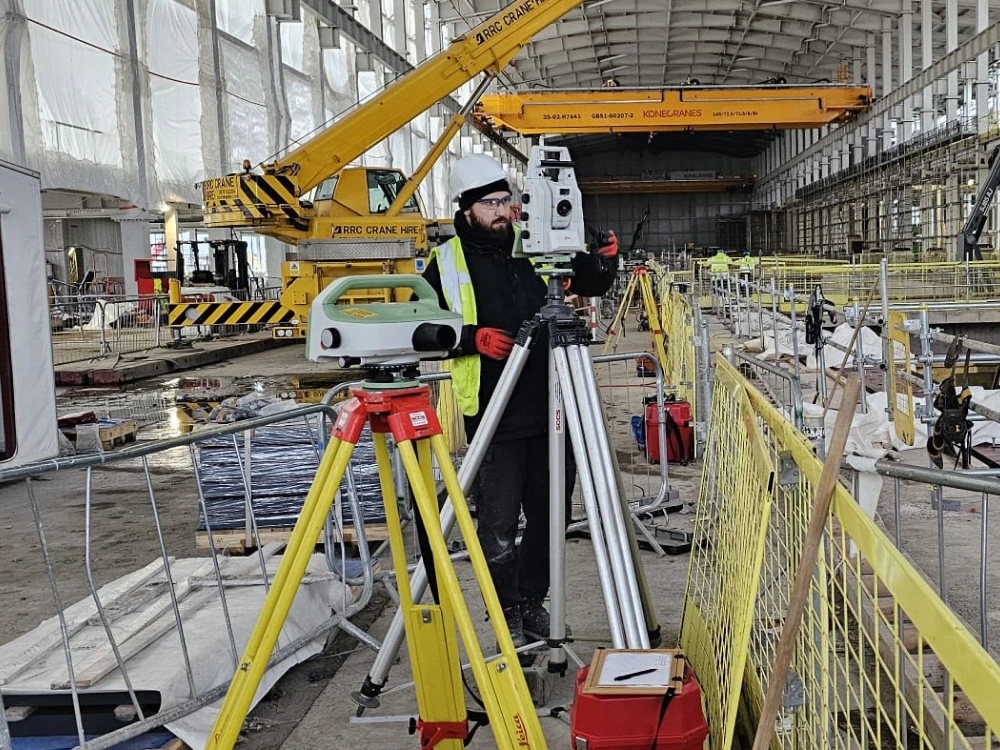
Methods and equipment in monitoring surveying advanced technology for precise structural analysis
At Red Laser, we utilise advanced 3D laser scanners to capture detailed scans for monitoring structural movement over time. These scans are compared to identify any movement or deformation, with results visualised in a heat map that highlights areas of concern. This allows for quick and accurate assessments, enabling timely intervention.
Key methods and tools include:
- Laser scanning: Captures millions of data points to track structural movements over time, with results presented in a detailed report using laser monitoring.
- Fixed position monitoring: Establishes fixed points on the structure to observe and measure structural movement over time.
- Tilt sensor monitoring: Analyses the degree of tilt in walls or other structural elements, detecting shifts and noting changes.
- Crack monitoring: Observes and tracks the progression of cracks in fragile or at-risk structures, ensuring they are properly managed.
Book monitoring survey with confidence
Reliable movement monitoring surveys to detect and address building movement
At Red Laser, we are committed to providing precise and reliable structural monitoring solutions that help maintain the structural integrity of your building. Our expert team uses the latest technology to deliver accurate results, ensuring that your project is supported by the most up-to-date data available. Contact us today to learn more about how our building movement monitoring services can assist you in safeguarding your structure.
Get a quote“Thanks so much to you and the team. Fast and fantastic service. I am really appreciative for that.”
Our case studies
See how we’ve helped clients achieve their goals with reliable surveying and geospatial solutions
Start working with us
Partner with Red Laser for a confident project launch
What is a monitoring survey?
A monitoring survey service allows the detection of movement and deformation of a building or structure using 3D laser scanning technology. The amount of movement is identified, if any, and the reported measurements will be presented through as-built drawings or a heat map.
Why are the common applications of monitoring surveying?
The common applications of monitoring surveying include Laser Scanning, Fixed Position Monitoring, Tilt Sensor Monitoring and Crack Monitoring.
What is the cost of a monitoring survey?
A monitoring survey cost is determined by the size, location, and the complexity of the structure or building. Conditions and accessibility of the site, as well as the level of detail requested will also affect survey costs
What will you receive?
Receive accurate documentation which identifies the changes, if any, of movement and measurements.
What 3D laser scanning technology do we use?
We at Red Laser use laser scanners for monitoring building structures, total stations to accurately measure angles and distances, tilt sensors to measure angles and send data to a central hub at regular intervals, along with crack gauges or monitoring studs to detect cracks and monitor any structural motion.