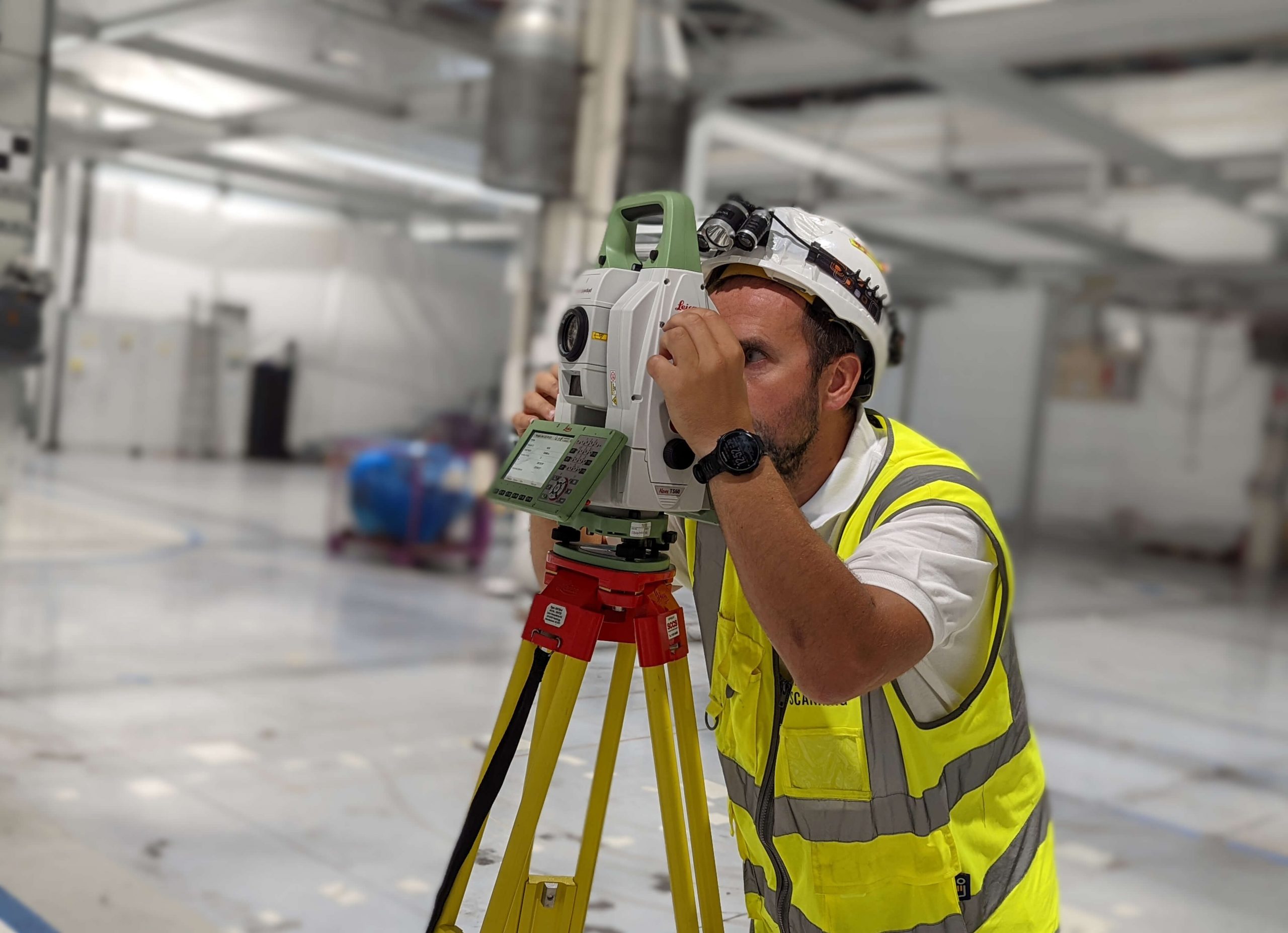
Explore different 3D modelling types and their uses

Accurate and reliable measured surveys backed by industry expertise

Get a quote

Understanding 3D modelling types and their applications

In today’s construction, architecture, and design landscapes, 3D models are essential tools that enhance visualisation, coordination, and decision-making. From estate planning and urban development to restoring heritage sites and modelling complex mechanical components, 3D models provide clarity and accuracy throughout a project’s lifecycle. Whether it’s architectural modelling, structural modelling, or mechanical modelling, the use of 3D technology allows professionals to streamline workflows, detect potential issues early, and present concepts with greater precision and impact.

Why 3D modelling types matter in modern design and engineering

3D modelling transforms traditional planning by offering a detailed visual and spatial representation of assets before construction begins. Whether for architectural design, engineering validation, or client presentations, a precise 3D model allows for better planning, fewer errors, and more confident decision-making.

Understanding the various 3D modelling types—from solid and surface models to parametric and BIM-ready formats—is essential for professionals across architecture, construction, and engineering. Each type serves a unique purpose, enabling teams to visualise complex structures, simulate real-world conditions, and collaborate more effectively.

As 3D modelling technology continues to evolve, it becomes a crucial tool for streamlining workflows, enhancing creativity, and delivering accurate results across the entire project lifecycle.
Capturing detailed utility mapping data, our team provides comprehensive insights into underground utilities to support your project
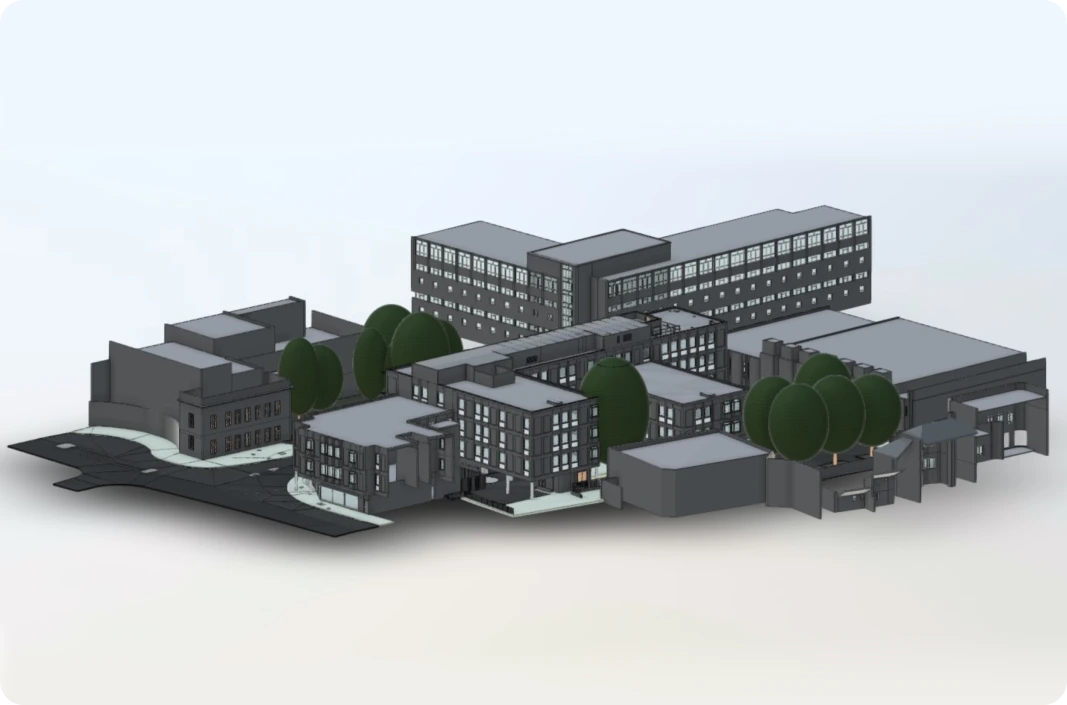
A detailed 3D model of a government office building, showcasing the precision and clarity achievable with professional 3D modelling for planning and design purposes
Delivering expert underground utility and utility mapping surveys
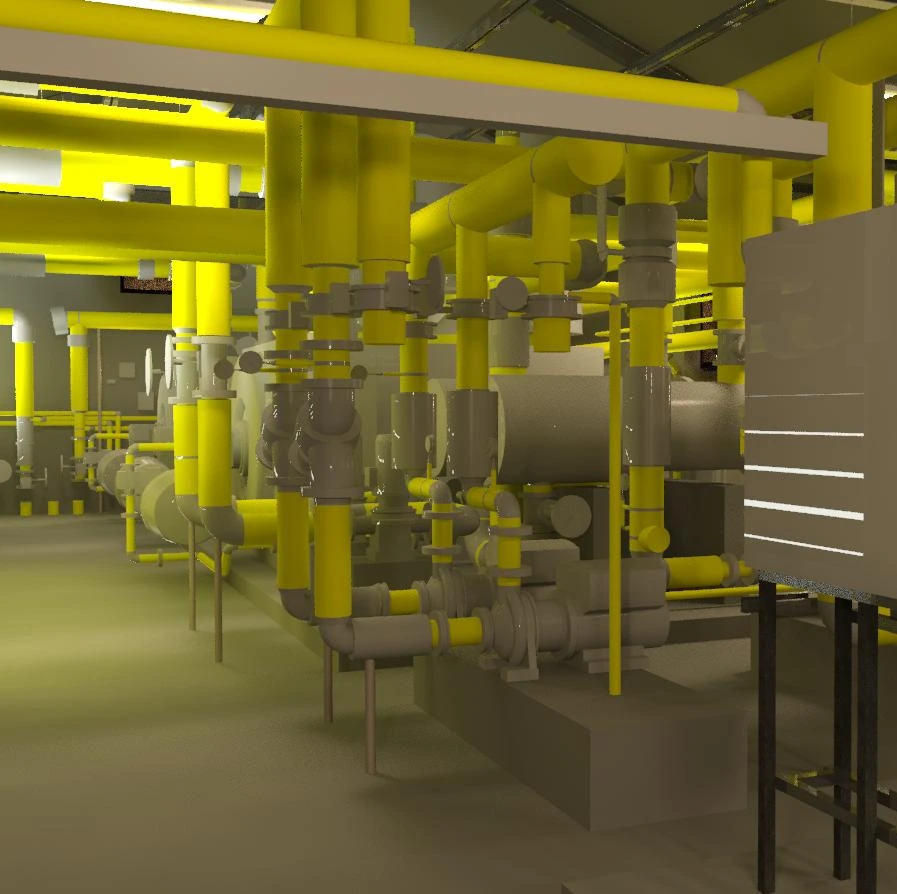
A detailed 3D modelling output of a plant room highlighting MEP (Mechanical, Electrical, Plumbing) components

Types of 3D modelling explained

  • Architectural models: Used primarily in buildin g and estate design, architectural models focus on structure, facade, interior layout, and aesthetics. These models serve architects, developers, and planning authorities in visualising the final outcome.
  • MEP (mechanical, electrical & plumbing) models: These models coordinate the placement of mechanical systems within buildings, especially in complex environments like plant rooms and commercial warehouses. They are essential for clash detection, ensuring systems can be installed without interference.
  • Mesh models: Mesh models are generated from scan data and are best suited for irregular and organic forms such as sculptures, locomotives, or ornate heritage features. They provide high-resolution surface geometry, often used for documentation or 3D printing.
  • BIM-ready models: These data-rich models are structured for use within Building Information Modelling (BIM) workflows. Ideal for architecture, construction, and facility management, BIM-ready models support informed decisions throughout a building’s lifecycle.
  • BIM-ready underground models: Capturing underground utilities and structures, these models are essential for pre-construction surveys. They help identify risks, reduce unexpected excavation issues, and assist in utility coordination.

What can be modelled in 3D?

3D modelling plays a vital role in a wide range of sectors, offering precision, clarity, and innovation:

Estates & property developments

Visualise entire sites before breaking ground—ideal for planning layouts, marketing, and gaining approvals.

Plant rooms

Coordinate complex mechanical, electrical, and plumbing (MEP) systems within confined spaces, reducing installation errors and clashes.

Warehouses & industrial units

Optimise spatial planning, racking systems, and utilities to boost operational efficiency and safety.

Buildings

From residential homes to commercial towers and public infrastructure, 3D models streamline design, construction, and facility management.

Heritage sites

Digitally preserve historic landmarks, enabling restoration, renovation, and archival documentation without physical interference.

Sculptures & artworks

Create high-fidelity digital replicas for conservation, 3D printing, or exhibition, protecting fragile or rare pieces.

Locomotives & mechanical assets

Model rolling stock and heavy machinery for retrofitting, maintenance planning, or digital showcases.

Retail & fit-outs

Plan shop layouts, custom fixtures, and lighting designs with pinpoint accuracy before installation.

Event spaces & exhibitions

Pre-visualise setups, visitor flow, and staging to ensure smooth execution and impact.

Healthcare & labs

Model specialised environments like clean rooms, surgical theatres, or lab setups to meet compliance and functionality.

We look forward to working with you

Get in touch today for a quick quote and start your scan to 3D modelling project with confidence.

Contact us

Popular 3D modelling types software: which one is right for you?

Choosing the right 3D modelling software depends on your project needs, design workflow, and collaboration requirements. Whether you’re working on architectural plans, BIM-ready models, or detailed technical drawings, each platform offers unique strengths. Here’s a quick guide to some of the most popular 3D modelling software options to help you decide which is the best fit for your project:
Autodesk revit

  • Ideal for BIM ready models and construction-ready outputs.
  • Great for multi-disciplinary collaboration and parametric design.

Vectorworks

  • Strong in architectural, landscape, and entertainment design.
  • Offers flexible 2D/3D workflows and great rendering tools.

SketchUp

  • Quick, intuitive modelling for early-stage architectural design.
  • Excellent for client presentations and conceptual layouts.

AutoCAD

  • Industry standard for precise drafting.
  • Excellent for converting 2D drawings into 3D models.
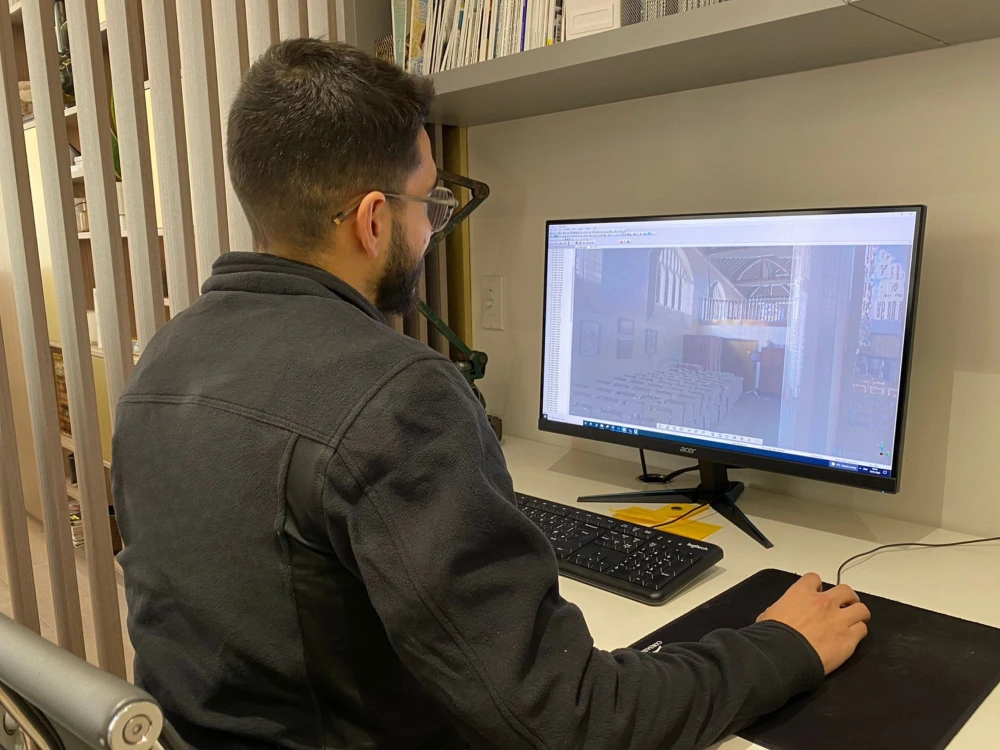
Red Laser technician working on computer to produce accurate 3D modelling

Choosing the right 3D modelling types for your project

Selecting the right 3D model depends on your project’s final goals. Key considerations include:

  • Whether you require detailed geometry or data-rich BIM content
  • If the model will be used for planning, construction, or visualisation
  • Which software platforms and file formats your teams or stakeholders require

At Red Laser, we don’t just create 3D models — we guide you in choosing the right 3D modelling types, tools, and formats to match your project’s unique requirements. Our expertise ensures you receive accurate, fit-for-purpose models that streamline your design and construction process.

Whether you’re working on estates, heritage sites, plant rooms, or large-scale infrastructure, we tailor our 3D modelling solutions to your goals.

Ready to start your 3D modelling project?

Whether you need a BIM-ready model of a heritage site, an accurate MEP layout for a complex plant room, or a high-resolution 3D mesh of a sculpture or artefact, Red Laser has the expertise, technology, and precision to deliver outstanding results. Our advanced 3D scanning and modelling capabilities allow us to capture intricate details and create highly accurate, ready-to-use models tailored to your project’s needs.

We work across a wide range of sectors—including architecture, construction, engineering, property development, heritage conservation, and the arts—to provide 3D modelling solutions that are both practical and future-proof. Whether you’re planning new construction, renovating a listed building, or archiving valuable assets, we ensure that every model is built to the right specification, format, and level of detail.

Don’t leave your project’s success to chance. Partner with Red Laser for end-to-end 3D modelling services that save time, reduce risk, and enhance collaboration between teams. With our help, you can visualise more clearly, plan more effectively, and deliver with confidence.

Contact us today to explore the best 3D modelling types for your project and see how we can help transform your plans into precise, high-quality digital reality.

Get a quote

Have a