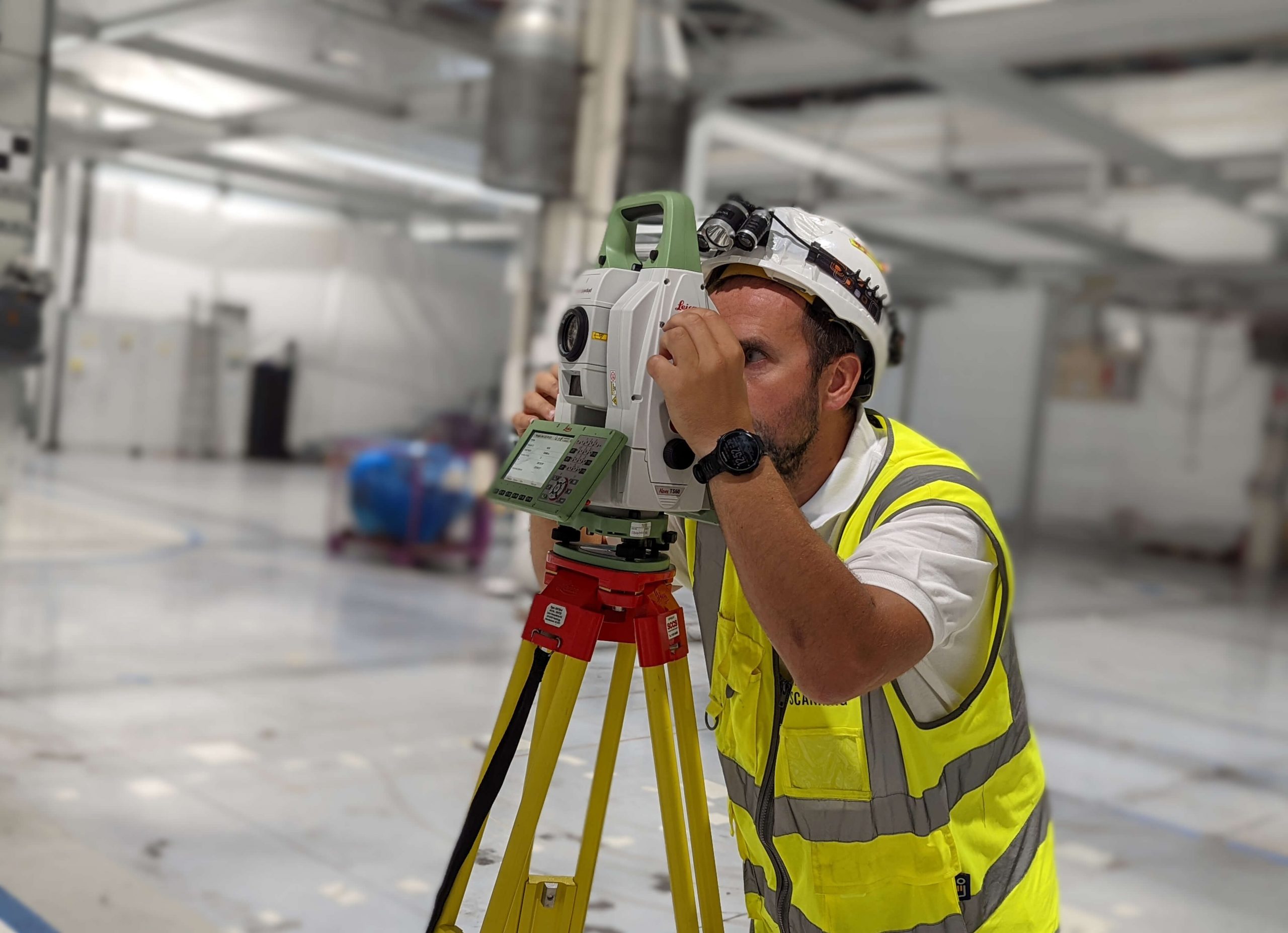
Construction verification services
Ensure your project meets specifications with accurate as-built verification
Get a quote





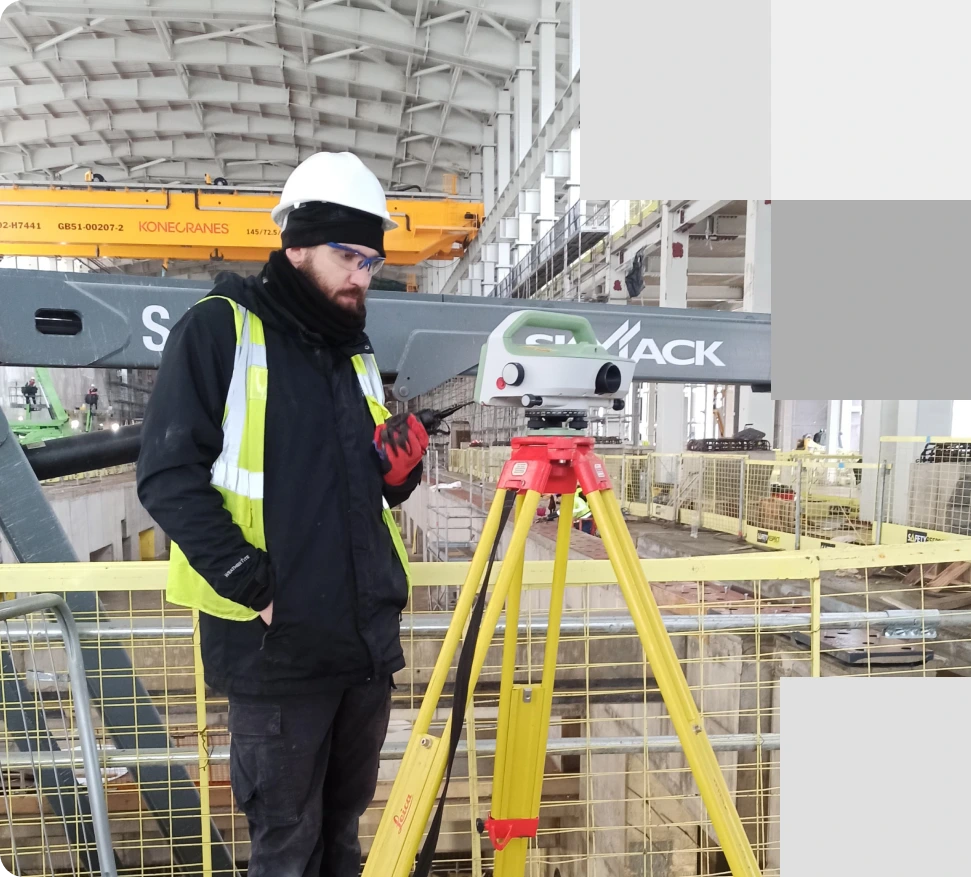
Red Laser expert captures precise construction data using advanced scanning technology, ensuring accurate verification and quality assurance in urban projects
About construction verification survey
Ensuring accuracy and compliance in your building project
A construction survey verification is essential for confirming that the as-built structure matches the client’s expectations and contractual requirements. This service verifies whether the building has been constructed within the agreed tolerances, helping to reduce risks and prevent costly mistakes that cannot be rectified once the project is completed.
At Red Laser, we use 3D laser scanning technology to rapidly collect and compare site data against models or as-built drawings. The results provide both visual and statistical feedback, ensuring that your project meets all specified standards. A construction verification survey can include:
- Full visualisation of conformance to agreed tolerances
- Various survey verification deliverables with the required level of detail
- Confirmation of positional and rotational accuracy
- Provision of independent verification certification
Benefits of construction verification
A construction verification survey ensures all project elements match design plans, minimising errors, enhancing accuracy, and ensuring compliance to prevent costly delays. This process includes:
- Meets client requirements: Ensures that the project fulfills a client’s verification needs before handover, often required in BIM projects.
- Confidence for contractors: Provides the main contractor with confidence in sub-contractor deliverables before sign-off.
- Design assurance: ensure that the as-built structure reflects the designs. Any variances can be identified and addressed promptly.
- Minimises risk of costly errors: By verifying construction accuracy early, potential issues can be identified and corrected before they lead to costly rework or delays.
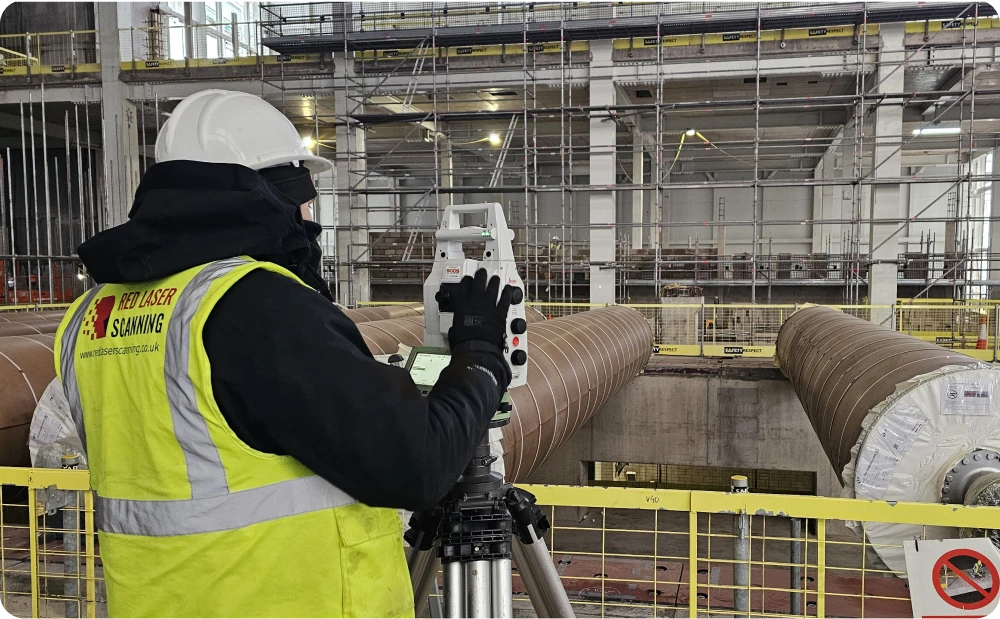
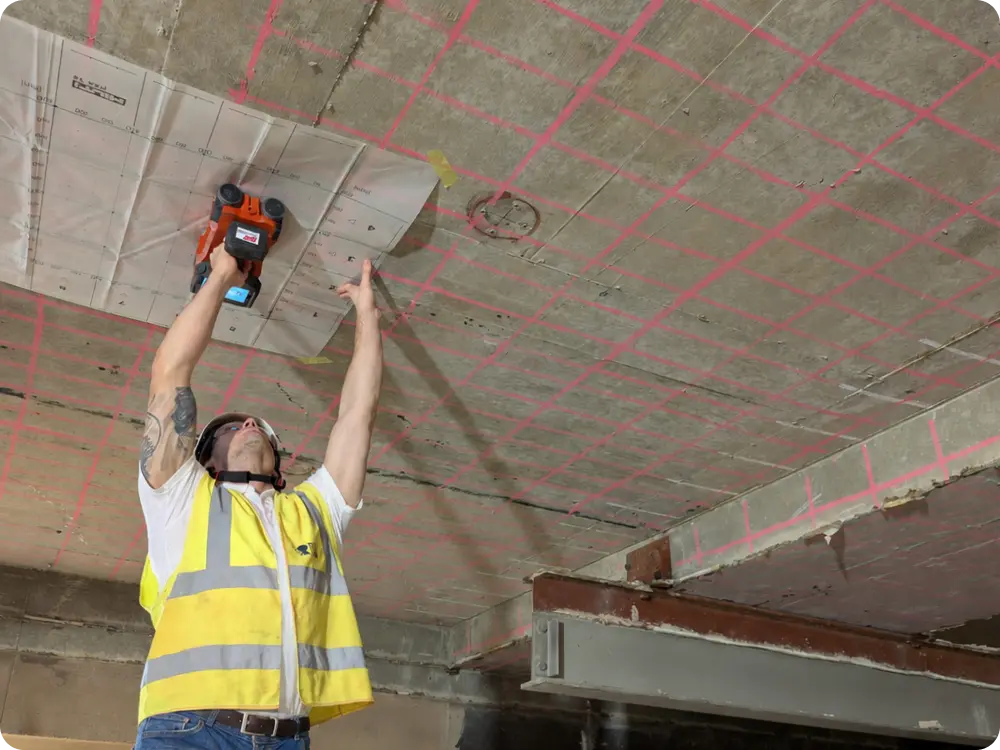
A Red Laser specialist is on-site using a total station for construction verification, capturing precise data to ensure accurate measurements, alignment, and compliance with design specifications
Applications of construction verification
Key applications of construction verification surveys
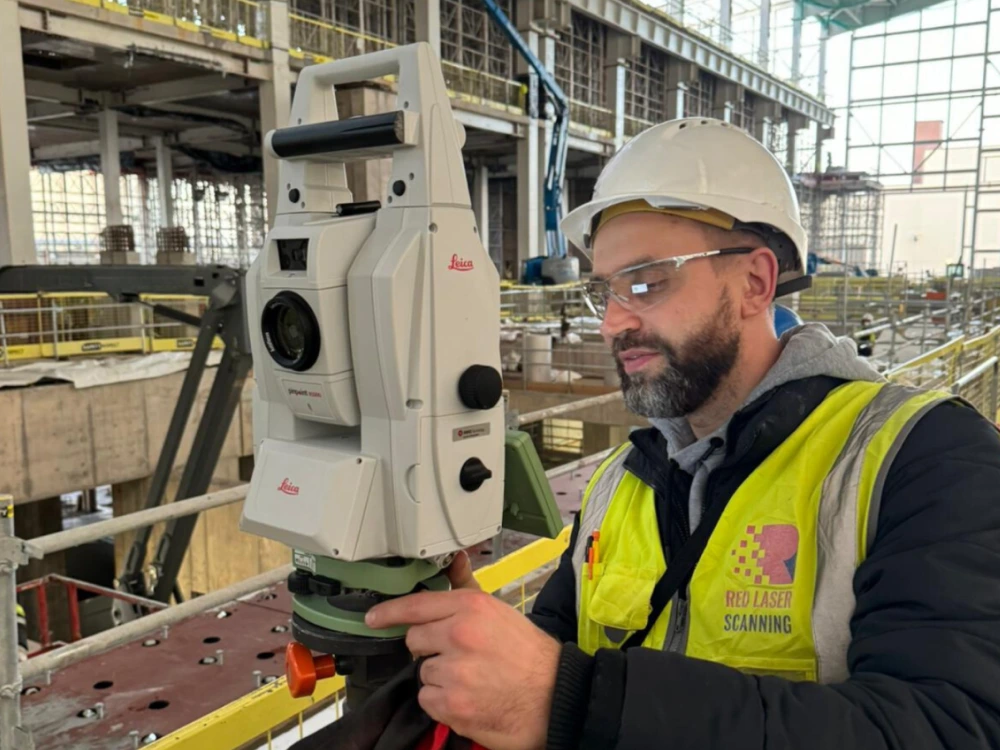
Our advanced surveying methods and equipment
Advanced technology ensuring accurate and thorough construction verification
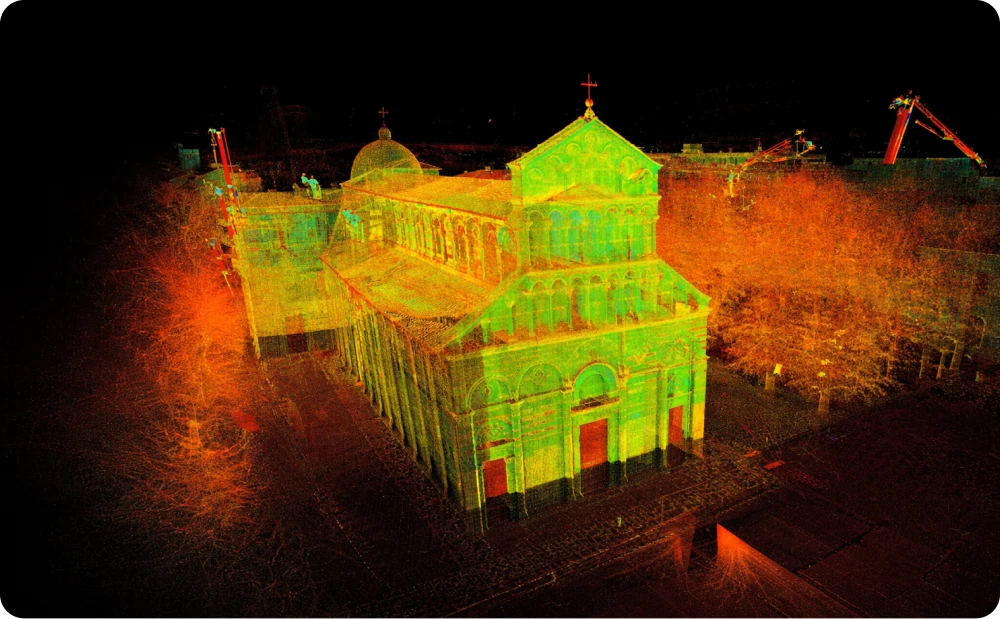
At Red Laser, we employ 3D laser scanning technology to capture up to a million data points per second, ensuring that every detail of your structure is recorded. This method eliminates the need for return visits to the site, as all objects and features are comprehensively documented. The resulting point cloud can be viewed and manipulated from all angles, providing a visually impressive digital twin of the structure. This detailed and accurate data is crucial for thorough construction survey verification, helping to reduce time on-site and ensure that all project specifications are met.
Achieve complete confidence in your construction project
With Red Laser's construction verification services, you can ensure that your project meets all specifications, from design to final build. Contact us today to learn more about how our services can support your construction needs.
Get a quote“This is fantastic, thank you for your great work here. Thank you for your services.”
Our case studies
See how we’ve helped clients achieve their goals with reliable surveying and geospatial solutions
Start working with us
Partner with Red Laser for a confident project launch
What is a construction verification survey?
A construction verification survey is the survey undertaken to verify that the as-built building matches what was expected or contracted by a client.
Why carry out a construction verification survey?
A construction verification survey is undertaken to verify that the as-built building matches that which is expected or contracted.
What is the cost of a construction verification survey?
Our construction verification survey costs are determined by the size, location and the complexity of a building or site. The conditions and accessibility of the site or building, as well as the level of detail required will also impact on the cost of survey.
What will you recieve?
You will receive registered laser scan data in various formats to suit the consultant’s software, 2D and 3D CAD plans, colourised Point clouds, 3D Revit models for BIM, Leica TruView files, 3D Mesh and Surface files, visualisations such as Fly-throughs and Orthophotos derived from either greyscale or colourised scan data.
What 3D laser scanning technology do we use?
Red Laser uses the latest surveying equipment such as total stations, electronic distance measurement (EDM), GPS surveying, and 3D laser scanners for efficient construction verification surveys.