Drone surveys in 3D laser scanning: everything you need to know
We introduce drone surveys services for your 3D Laser Scanning needs! Explore the benefits and how it can be used…






In the realm of urban development, navigating the legal landscape of “rights of light” emerges as a pivotal challenge, often acting as a significant constraint on architectural projects. These rights, which ensure that buildings receive sufficient natural light, are critical in the planning and development stages to prevent future legal disputes and to manage the risk of infringing upon neighbouring properties’ access to light. Early identification of potential impacts on rights to light, as well as daylight, sunlight, and overshadowing concerns, is essential for compliance and strategic planning. By proactively addressing these matters, developers and architects can either proceed with their projects with the assurance of minimising legal risks or identify and implement strategies to mitigate any adverse effects. This preemptive approach not only facilitates smoother project execution but also emphasises the importance of integrating legal considerations into the architectural design process, ensuring that developments are both legally compliant and considerate of the urban fabric and community well-being.
A “right of light” is a legal easement that grants landowners the entitlement to receive daylight through specified openings in buildings on their property. This right becomes especially relevant when new constructions threaten to block or significantly reduce the amount of light reaching a building. Understanding and accurately assessing the rights of light is crucial, as any infringement can lead to legal disputes, necessitating careful planning and analysis to avoid potential conflicts. Our commitment to delivering precise calculations is unwavering. Utilising advanced 3D laser scanning technology, we ensure that your project complies with the latest right of the light in the UK legislation, thereby safeguarding your interests and those of the surrounding community.

We are here to cater to your project’s unique needs with tailored laser scanning solutions. Contact us today for a quick quote and start your project with confidence.
Architects, designers, engineers, and developers stand to gain from this kind of inspections. These professionals can ensure that their projects not only meet aesthetic and functional requirements but also respect the legal rights of light for surrounding properties. This foresight helps in mitigating risks, avoiding costly legal disputes, and promoting harmonious urban development.
Engaging in rights of light surveys provides clients with detailed reports and analyses that inform the design and development process. These reports include:
It is a detailed process that involves:
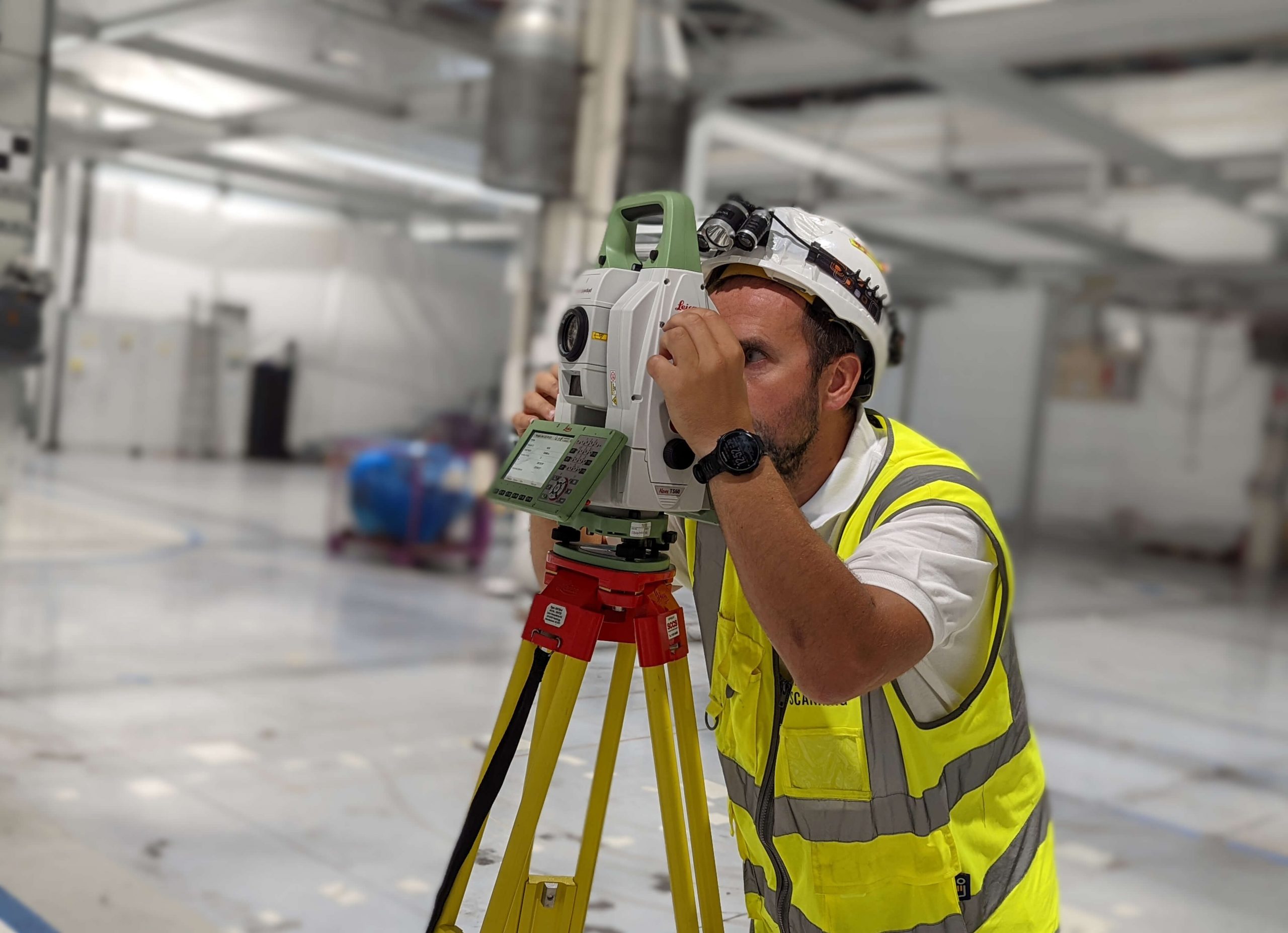
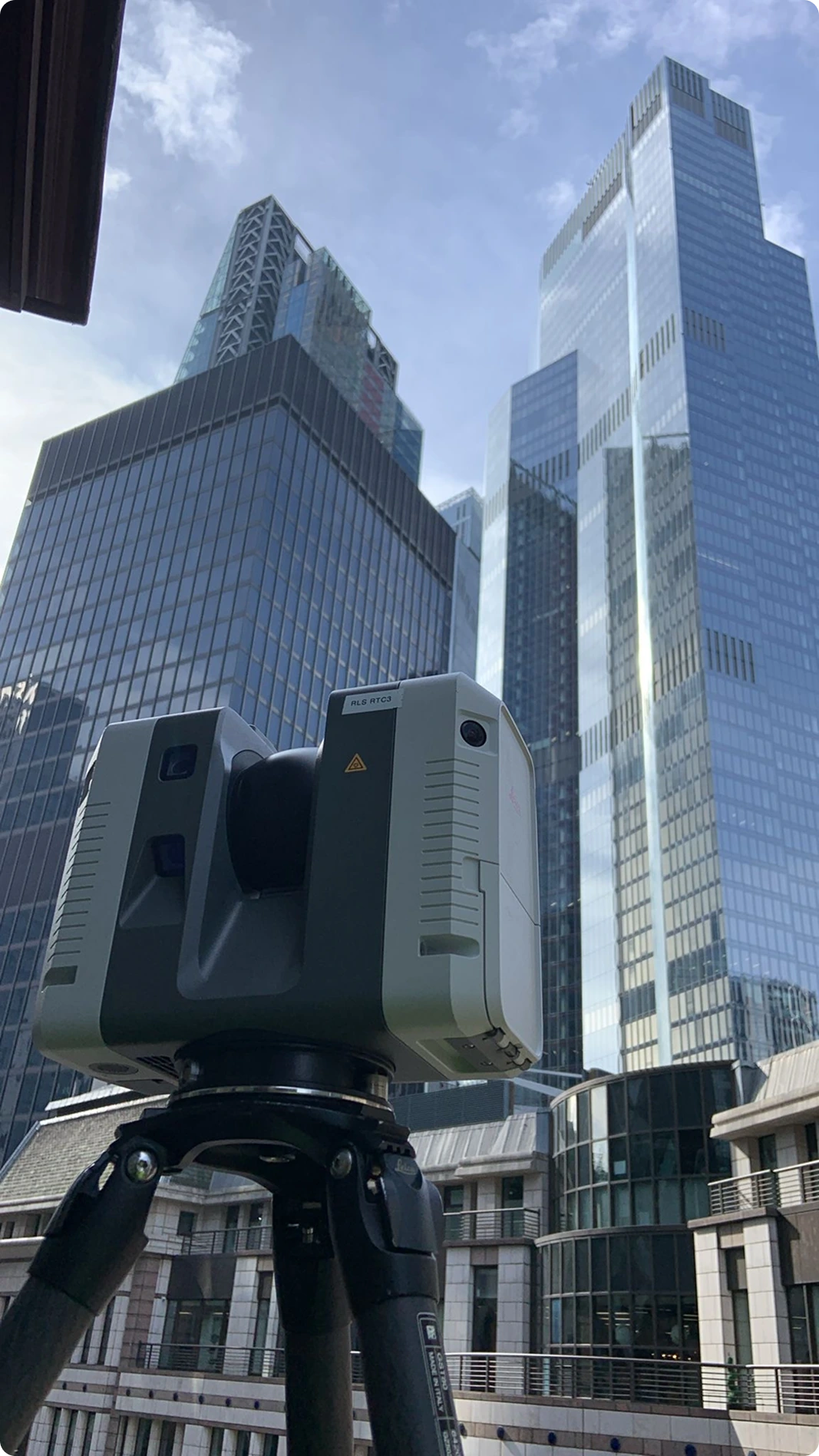
The accuracy of the rights of light surveys is paramount. We employ state-of-the-art 3D laser scanning services technology, which allows for the collection of comprehensive point cloud data. This data is instrumental in creating precise models and calculations, ensuring that every aspect of the rights to the light planning process is meticulously addressed.
Our team of dedicated right of light surveyors brings expertise and reliability to every project. We understand the complexities of rights of light legislation and employ the latest technologies to deliver quality, cost-effective solutions. Whether you’re in London or finding right for light in the UK, our specialist team of right of light surveyors is ready to assist with your project.
Rights of light surveys are a critical component of modern urban development, ensuring that new constructions harmonise with existing buildings without compromising natural light access. By choosing a professional and experienced team of right to light surveyor, you can ensure that your projects not only meet but exceed planning requirements.
Contact our specialist team today for comprehensive surveys and expert consultations, and take the first step towards responsible and enlightened architectural design.